Platform comparison
| Platform | YES odds | NO odds | Fee | KYC | Settlement | |
|---|---|---|---|---|---|---|
Polymarket (via Election Predictions UK) Pick polygram.ink (preferred broker) |
32% | 68% | 0% (USDC on-chain) | No-KYC up to $1,500 | USDC, auto via UMA oracle | Trade this market → |
Polymarket (direct) polymarket.com |
32% | 68% | 0% | Geo-blocked in US/UK/EU | USDC, on-chain | Trade this market → |
Kalshi kalshi.com |
— | — | Up to 7% per trade | US-only, KYC required | USD | Trade this market → |
Betfair Exchange betfair.com |
— | — | 2-5% commission | Full KYC from first trade | GBP / EUR | Trade this market → |
Manifold Markets manifold.markets |
— | — | Play-money (mana) | None — play-money | Mana (no cash-out) | Trade this market → |
Outcome probabilities
Current market-implied probability for each outcome, from the live order book.
| Outcome | Probability |
|---|---|
| December 31 | 32% |
| July 31 | 16% |
| June 30 | 1% |
Market context
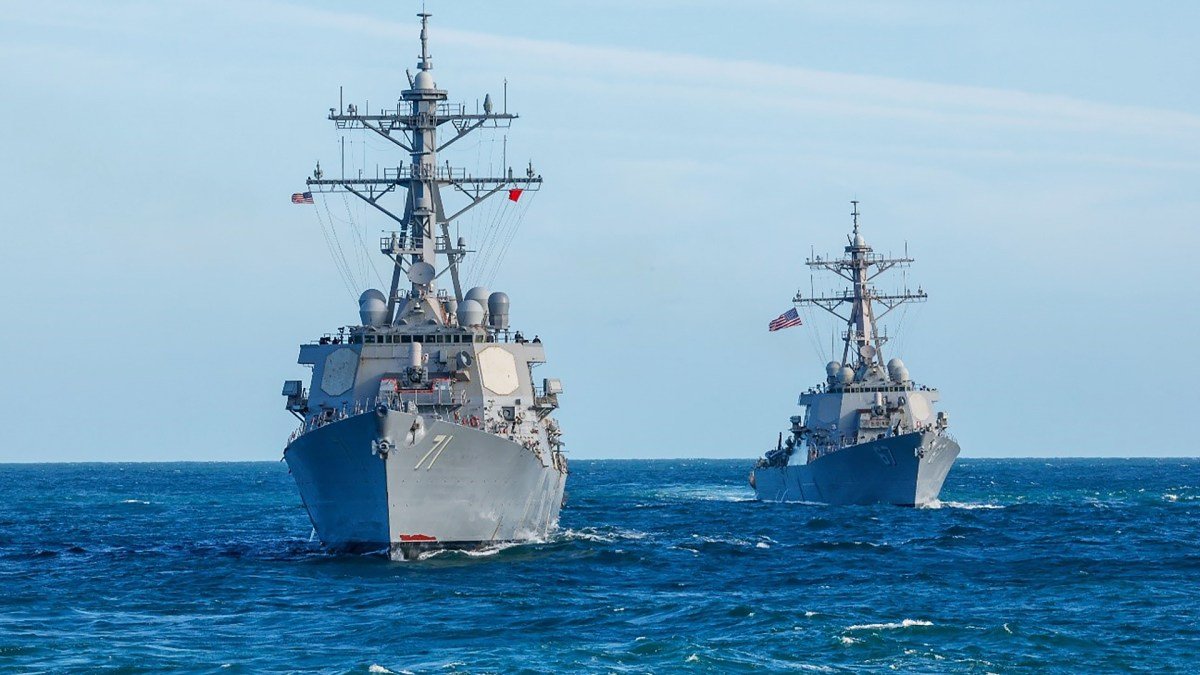
The United States has already imposed a naval blockade on Iran, a move enacted in April 2026 following the collapse of the Islamabad Talks and the escalation of the 2026 Iran war. This real-world event, ordered by President Donald Trump and executed by CENTCOM under Admiral Brad Cooper, halted sea trade to and from Iranian ports, intercepting dozens of vessels and costing Iran an estimated $500 million daily. The blockade was formally lifted on 18 June 2026 after a new agreement was reached to reopen the Strait of Hormuz, yet the market’s 32% probability suggests traders are betting on a potential re-imposition or a new, distinct announcement of blockade measures before the settlement deadline in December 2026.
Historically, such maritime restrictions have been fleeting but economically devastating, as seen when the 2026 blockade disrupted vital energy routes and prompted Iran to retaliate by seizing cargo ships. Comparable cases, including undeclared conflicts where congressional resolutions or NATO decisions rationalised military engagement, show that announcements of partial or targeted blockades can occur without a formal declaration of war, making the current probability a reflection of uncertainty over whether Washington will renew pressure on Tehran. Traders should watch for scheduled debates in the US Congress, upcoming declarations from CENTCOM, and recent campaign-finance disclosures that might signal shifting political priorities toward Iran. The market appears to lean on the catalyst of a fresh presidential announcement or a CENTCOM directive, with sources like AP News and The New York Times highlighting the administration’s willingness to expand blockade enforcement to international waters if ceasefire talks fail again.
Methodology
Political prediction markets differ structurally from sports betting: thinner liquidity, longer settlement windows, higher sensitivity to single news events. This page shows the live Polymarket quote for US announces blockade on Iran by 2026? plus platform attributes for the three reference venues, so you can see at a glance where the deepest market for this question sits.
Resolution & payout
For political markets the resolution source is decisive. Polymarket defines a concrete source per contract (e.g. AP, Reuters, official electoral commission) and uses the UMA Optimistic Oracle as the on-chain dispute mechanism. With a clearly defined outcome the USDC payout lands within minutes of the final confirmation.
FAQ
- How accurate are political prediction markets?
- Historically more accurate than polls. Polymarket's Brier score on US 2024 elections was ~0.11 — better than 538 (~0.14) and every mainstream poll. Markets aggregate information with real skin in the game.
- What resolution source is used for elections?
- Polymarket defines the source per contract — usually Associated Press (AP Race Call), Reuters or the official electoral commission. The source is stated in contract details before the market opens.
- Can prediction markets influence election outcomes?
- Markets reflect expectations rather than create them. Studies show public-facing markets can anchor expectations, but don't influence the underlying outcome. Political markets are information, not advocacy.
- Why do Polymarket and Kalshi differ on elections?
- Kalshi must follow CFTC compliance — strict definitions, clear resolution sources, US citizens only with KYC. Polymarket operates globally without CFTC oversight — deeper liquidity, but also higher regulatory risk.
- Which political events have the biggest volume?
- US Presidential election, party nominations (DNC/RNC), Senate majorities, individual state outcomes (Pennsylvania, Michigan, Wisconsin), and major European elections. Peak markets reach $50-500M per event.
%22%2F%3E%3Cpath%20d%3D%22M%206%2066%20A%2026%2026%200%200%201%2058%2066%22%20fill%3D%22%23E6B98D%22%20opacity%3D%220.9%22%2F%3E%3Ccircle%20cx%3D%2232%22%20cy%3D%2226%22%20r%3D%2222%22%20fill%3D%22%23F5CBA7%22%2F%3E%3Crect%20x%3D%2210%22%20y%3D%224%22%20width%3D%2244%22%20height%3D%2214%22%20rx%3D%227%22%20fill%3D%22%2365a30d%22%20opacity%3D%220.9%22%2F%3E%3Crect%20x%3D%228%22%20%20y%3D%2218%22%20width%3D%228%22%20%20height%3D%2218%22%20rx%3D%224%22%20fill%3D%22%2365a30d%22%20opacity%3D%220.7%22%2F%3E%3Crect%20x%3D%2248%22%20y%3D%2218%22%20width%3D%228%22%20%20height%3D%2218%22%20rx%3D%224%22%20fill%3D%22%2365a30d%22%20opacity%3D%220.7%22%2F%3E%3C%2Fsvg%3E) and
and%22%2F%3E%3Cpath%20d%3D%22M%206%2066%20A%2026%2026%200%200%201%2058%2066%22%20fill%3D%22%23E6B98D%22%20opacity%3D%220.9%22%2F%3E%3Ccircle%20cx%3D%2232%22%20cy%3D%2226%22%20r%3D%2222%22%20fill%3D%22%23F5CBA7%22%2F%3E%3Cpath%20d%3D%22M%2010%2026%20A%2022%2028%200%200%201%2054%2026%22%20fill%3D%22%2365a30d%22%20opacity%3D%220.9%22%2F%3E%3C%2Fsvg%3E)
Trade US announces blockade on Iran by 2026? on Election Predictions UK
Live order book, 0% fees, USDC settlement in seconds.
Open live market →